 +91 95000 10065

Occupational Therapy: Building Skills for Daily Living
Structured support to improve how individuals move, function, and manage everyday tasks.
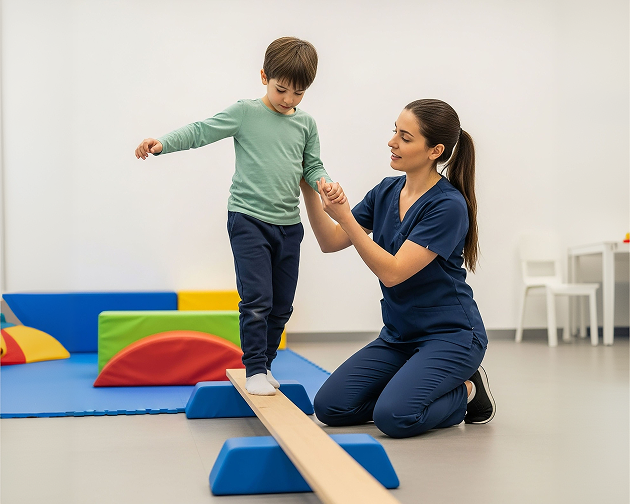
Building Independence in Everyday Life
Occupational therapy helps individuals develop the skills needed for daily living. It focuses on improving how a person moves, functions, and interacts with their environment, from basic self-care to more complex tasks.
The goal is simple: to support independence. Whether it is a child learning to hold a pencil or an adult regaining the ability to manage daily routines, occupational therapy works on practical, real-life skills.
At Buddhi Clinic, occupational therapy is integrated with neurological and developmental care, ensuring that physical, cognitive, and behavioural aspects are addressed together.
Occupational Therapy: A Closer Look
What Does Occupational Therapy Help With?
- Developmental delays in children
- Autism-related challenges
- Sensory processing difficulties
- Fine motor skill challenges (writing, grasping, coordination)
- Difficulties with daily activities (dressing, eating, grooming)
- Neurological conditions such as stroke or brain injury
- Physical limitations affecting movement and coordination
- Behavioural or attention-related challenges
The focus is on improving function, helping individuals manage everyday tasks more effectively.

How Occupational Therapy Works
Occupational therapy begins with understanding how an individual performs everyday tasks and where the challenges lie.
Based on this, a personalised plan is created. Therapy may include:
- Activities to improve fine motor skills and coordination
- Sensory integration techniques to improve responses to stimuli
- Exercises to build strength, balance, and control
- Training in daily living skills, such as dressing or eating
- Strategies to improve focus, organisation, and task completion
The therapy is functional; every activity is designed to support real-life independence.

What to Expect During Therapy
Occupational therapy sessions are interactive and tailored to the individual.
- For children, sessions are often play-based to encourage participation
- For adults, therapy focuses on practical daily tasks
- Progress is tracked regularly, and goals are updated as needed
- Families and caregivers are guided on how to continue support at home
The process is gradual, consistent, and adapted to each individual’s needs.

Benefits of Occupational Therapy
Occupational therapy can help:
- Improve fine motor skills and coordination
- Enhance the ability to perform daily tasks independently
- Support better sensory processing and responses
- Improve focus, organisation, and task completion
- Build confidence in everyday activities
- Support recovery after neurological or physical conditions
These improvements contribute to a better quality of life and greater independence.
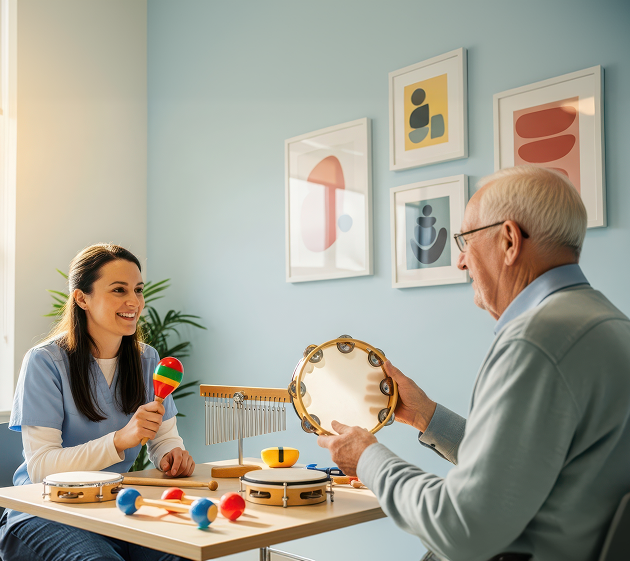
When Should You Consider Occupational Therapy?
You may consider occupational therapy if:
- A child struggles with basic tasks like writing, feeding, or dressing
- There are delays in motor skills or coordination
- Sensory sensitivities affect behaviour or participation
- Daily activities feel difficult or require assistance
- There are challenges in following routines or completing tasks
- Recovery after injury or illness affects independence
Early intervention can make everyday tasks easier and more manageable.

Occupational Therapy at Buddhi Clinic
At Buddhi Clinic, occupational therapy is delivered as part of a comprehensive care model that combines neurological insight, developmental understanding, and practical training.
Each individual undergoes a detailed assessment before therapy begins. Based on this, a personalised plan is created to address specific functional goals.
The focus is on helping individuals become more independent, confident, and capable in their daily lives.
Frequently Asked Questions (FAQs)
How often should occupational therapy sessions be scheduled?
Frequency depends on the individual’s needs and goals. Sessions may be recommended multiple times a week initially, with adjustments over time.
Can occupational therapy be done at home?
Yes. While guided sessions are important, therapists often provide home-based activities to continue progress between visits.
Is occupational therapy only for physical issues?
No. It also addresses sensory processing, attention, and functional challenges that affect daily activities.
What age group can benefit from occupational therapy?
Occupational therapy is suitable for all age groups, from young children to adults and elderly individuals.
Does occupational therapy require special equipment?
Not always. While some tools may be used during sessions, many activities are designed using simple, everyday objects to make practice practical and accessible.


 Book a Consultation