 +91 95000 10065

Neurofeedback Therapy: Training the Brain for Better Regulation
Understanding Neurofeedback Brain Training
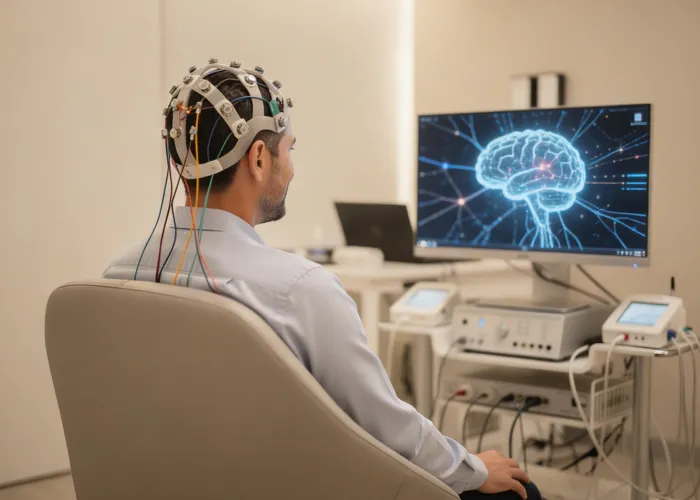
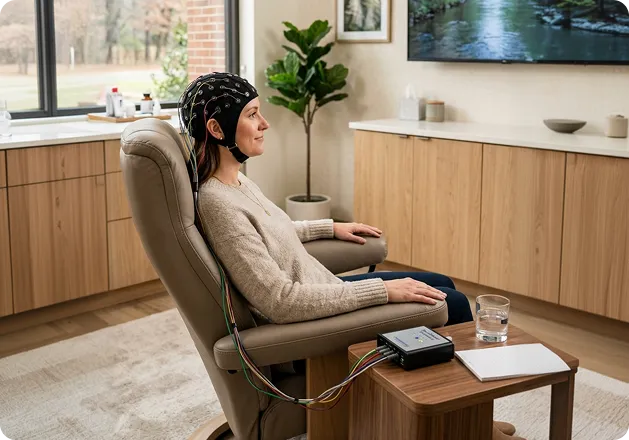
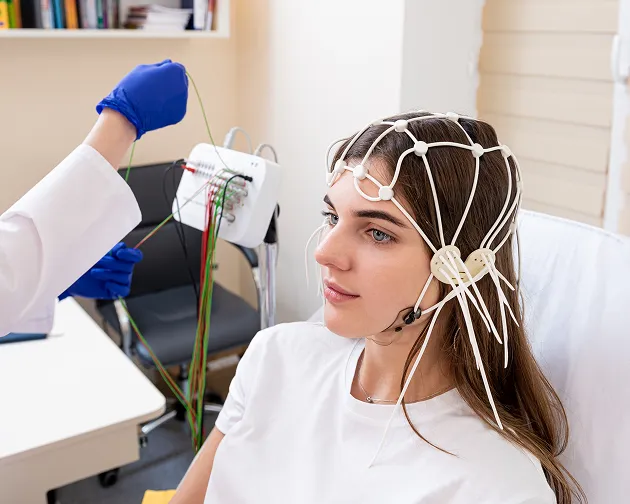
Neurofeedback therapy is a non-invasive brain training technique that helps individuals learn to regulate their brain activity. The therapy works by monitoring brainwave patterns using sensors placed on the scalp and providing real-time feedback that helps the brain adjust its activity.
During the treatment, specialised software tracks brain signals and translates them into visual or auditory feedback. As patients interact with this feedback, the brain gradually learns to shift toward more balanced and efficient activity patterns.
Over time, this can support improvements in attention, emotional regulation, and cognitive performance. Because the therapy focuses on helping the brain learn and adapt, it encourages long-term improvements in brain self-regulation.
At Buddhi Clinic, Neurofeedback therapy is offered as part of an integrated neurological care program designed to support brain health and functional development.
Improving Brain Regulation Through Targeted Training
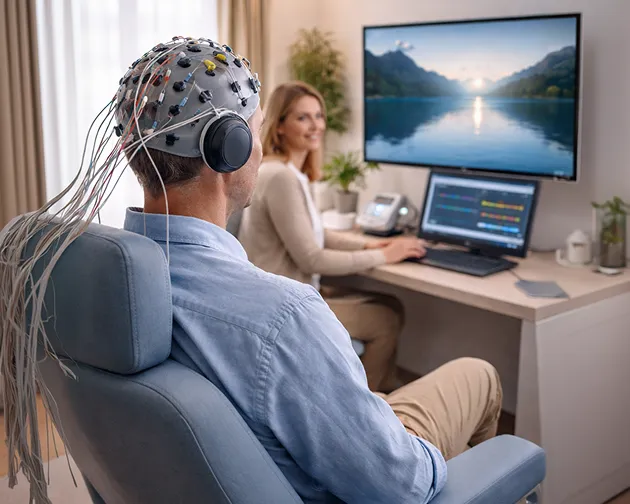
Neurofeedback therapy provides real-time feedback on brain activity, helping individuals learn how to regulate their brainwave patterns more effectively. Through guided training, the brain gradually shifts toward healthier and more balanced functioning.
This process can help reduce stress, improve emotional regulation in conditions such as anxiety and depression, and strengthen attention and focus. Neurofeedback brain training may also support individuals experiencing migraines, PTSD, and certain speech or communication challenges.
By encouraging better self-regulation of brain activity, Neurofeedback therapy helps improve mental clarity, emotional stability, and overall brain function.
A Structured Approach to Brain Training
Understanding Brain Activity Before Training
- Clinical evaluation to determine suitability
- Brainwave monitoring using specialised sensors
- Identification of areas requiring targeted brain training
- Comfortable patient setup before beginning sessions
Real-Time Brainwave Training Sessions
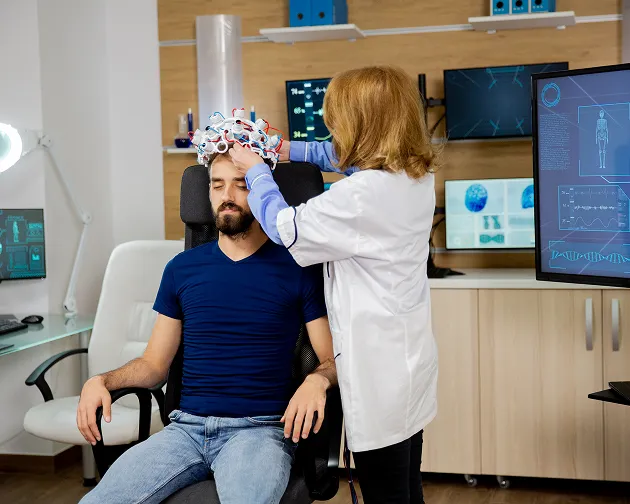
- Sensors placed on the scalp to monitor brain activity
- Visual or auditory feedback provided through specialised software
- The brain gradually adjusts its activity in response to feedback
- Sessions conducted under professional supervision
Monitoring Progress and Brain Adaptation
- Tracking improvements in brainwave patterns
- Reviewing patient response to training sessions
- Adjusting therapy protocols as required
- Planning continued Neurofeedback treatment when necessary
Functional Benefits of Neurofeedback Brain Training
- Helps regulate brainwave activity
- Supports attention and cognitive function
- Encourages emotional and behavioural regulation
- Strengthens the brain’s self-regulation abilities
- Non-invasive and comfortable therapy approach
- Can support neurological rehabilitation programs
Why Choose Neurofeedback Over Others
Unlike approaches that focus only on managing symptoms, Neurofeedback therapy works by training the brain to regulate its own activity. By providing real-time feedback about brainwave patterns, the therapy helps the brain gradually adopt healthier and more efficient functioning.
Because the process encourages the brain to learn and adapt, the improvements gained through Neurofeedback training may support lasting changes in attention, emotional balance, and cognitive performance.
Why Choose Buddhi Clinic for Neurofeedback
Buddhi Clinic offers Neurofeedback therapy in Chennai as part of its precision neurological care program. Our team combines neurological expertise, technology-guided brain training, and personalised treatment planning to support effective therapy outcomes.
Each patient undergoes a detailed assessment before beginning treatment, allowing the therapy program to be tailored according to individual neurological needs. Through structured Neurofeedback sessions and clinical supervision, Buddhi Clinic aims to support improved brain regulation, cognitive function, and overall neurological well-being.


 Book a Consultation