 +91 95000 10065

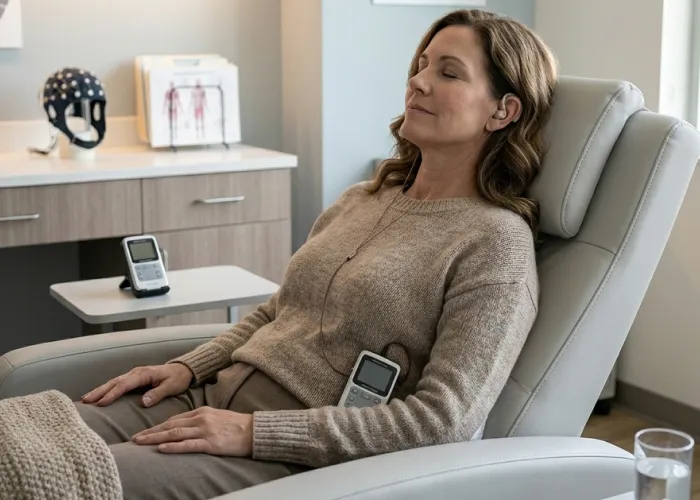
taVNS Therapy: Supporting Nervous System Regulation
Understanding Transcutaneous Auricular Vagus Nerve Stimulation
Transcutaneous Auricular Vagus Nerve Stimulation (taVNS) is a non-invasive neurostimulation therapy that delivers mild electrical impulses to the auricular branch of the vagus nerve through the outer ear. The vagus nerve plays a central role in regulating communication between the brain and the body.
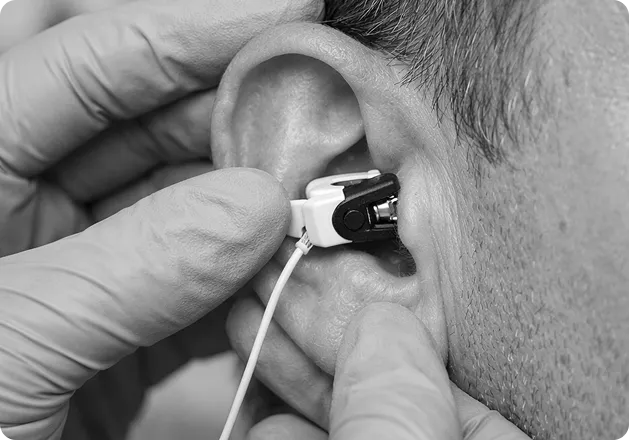
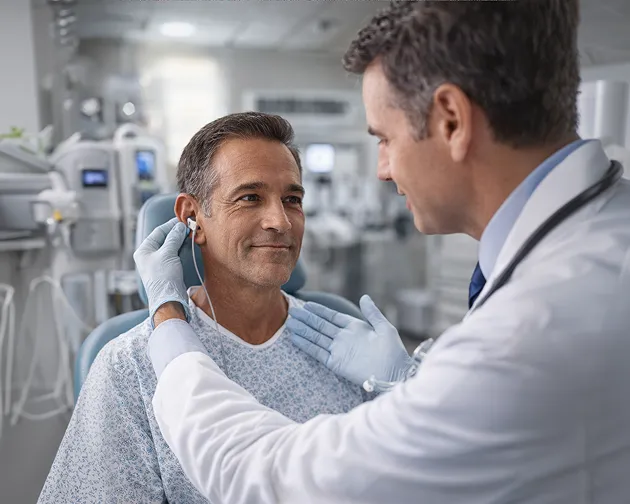
During taVNS therapy, small electrodes are placed on specific areas of the ear where branches of the vagus nerve are accessible. Gentle electrical stimulation activates these nerve pathways, influencing brain regions involved in emotional regulation, autonomic balance, and cognitive function.
Unlike surgically implanted vagus nerve stimulation systems, this treatment does not require surgery. The therapy is delivered externally using a controlled neurostimulation device.
At Buddhi Clinic, taVNS therapy is used as part of an advanced neurorehabilitation and neuromodulation program designed to support neurological function and nervous system regulation.
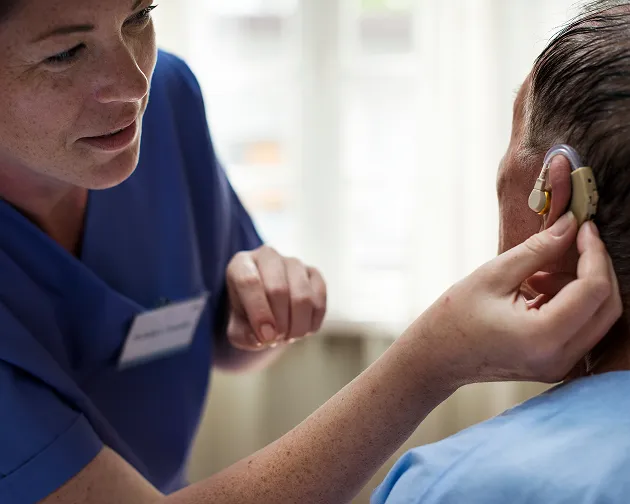
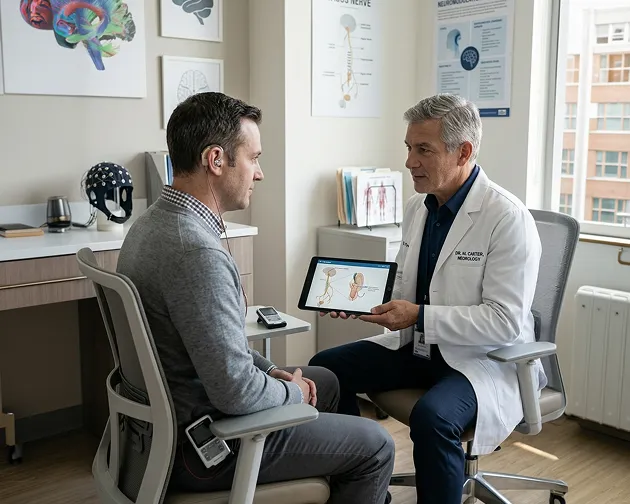
Supporting Brain–Body Communication Through the Vagus Nerve
The vagus nerve connects the brain with multiple organs across the body and plays an important role in regulating stress responses, heart rate, digestion, inflammation, and emotional balance.
taVNS neurostimulation works by delivering controlled electrical impulses to the auricular branch of the vagus nerve. These signals travel to brain regions involved in mood regulation, autonomic control, and neural communication.
Through repeated sessions, Transcutaneous Auricular Vagus Nerve Stimulation therapy may help improve neural signalling, support emotional regulation, and encourage healthier nervous system balance.
A Structured Approach to taVNS Neurostimulation
Preparing for Vagus Nerve Stimulation
- Clinical evaluation to determine suitability
- Identification of treatment goals and neurological considerations
- Placement of stimulation electrodes on specific ear regions
- Comfortable patient positioning before starting
Delivering Gentle Neurostimulation
- Mild electrical impulses are delivered through ear electrodes
- taVNS neurostimulation activates the auricular vagus nerve
- Stimulation intensity adjusted according to patient response
- Therapy sessions are conducted under clinical supervision
Monitoring Response After Each Session
- Assessment of patient comfort following stimulation
- Tracking improvements in neurological and autonomic function
- Adjustment of stimulation parameters when needed
- Guidance for continuation of therapy sessions
Functional Benefits of taVNS Neurostimulation
- Non-invasive vagus nerve stimulation therapy
- Supports the regulation of the autonomic nervous system
- Encourages improved neural communication
- May help support emotional and cognitive regulation
- Comfortable outpatient therapy with minimal downtime
- Integrates with broader neurorehabilitation programs
Why Choose taVNS Over Others
Unlike implanted vagus nerve stimulation systems, Transcutaneous Auricular Vagus Nerve Stimulation therapy provides vagus nerve activation without surgery or invasive procedures. The therapy works through accessible nerve pathways in the ear, allowing clinicians to influence brain-body communication safely.
Because taVNS treatment targets neural pathways involved in autonomic regulation, emotional processing, and neurological signalling, it offers a focused approach to supporting nervous system balance and neurological care.
Why Choose Buddhi Clinic for taVNS
Buddhi Clinic offers advanced taVNS therapy in Chennai as part of its precision neuromodulation and neurorehabilitation program. Our specialists combine neurological expertise, clinical assessment, and technology-guided treatment planning to deliver personalised therapy.
Each patient undergoes a detailed evaluation before beginning the treatment, allowing stimulation protocols to be tailored according to neurological needs and treatment goals. Through structured taVNS neurostimulation sessions and expert supervision, Buddhi Clinic aims to support safe therapy, improved nervous system regulation, and better functional outcomes.


 Book a Consultation