 +91 95000 10065

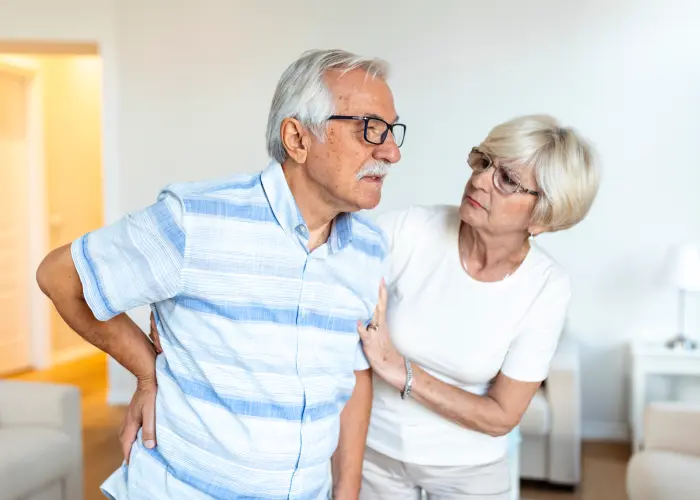
When Signals Are Disrupted, Recovery Needs Precision
Spinal cord injuries alter communication between the brain and body, demanding specialised neurorehabilitation to restore function and independence.
Spinal Cord Injury (SCI): Understanding Spinal Cord Injury Beyond Paralysis
A spinal cord injury occurs when trauma, compression, or disease disrupts nerve pathways that carry signals between the brain and body. The effects extend beyond movement, impacting sensation, bladder and bowel control, autonomic function, and overall quality of life. Effective spinal cord injury treatment focuses on preserving neural pathways, enhancing recovery, and maximising functional independence through structured rehabilitation.
The Connection Is Interrupted. It Can Be Retrained.
Recovery after SCI depends on activating neuroplasticity and teaching remaining neural pathways to adapt and compensate.
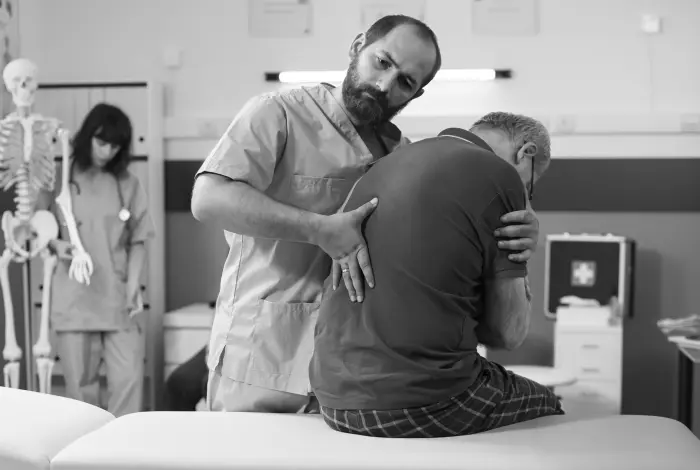
SCI Simply Explained
Spinal cord injuries do not affect the nervous system uniformly. While some pathways are damaged, others remain intact but underutilised. Spinal cord injury neuro-rehabilitation works by stimulating these preserved circuits and training the brain and spinal cord to communicate more efficiently through targeted therapies.
Symptoms
SCI affects movement, sensation, and autonomic control.
- Motor Impairments: Weakness or paralysis, muscle stiffness, spasms, and loss of voluntary movement below the injury level.
- Sensory Changes: Numbness, altered pain perception, temperature sensitivity, or loss of sensation.
- Autonomic Dysfunction: Bladder and bowel disturbances, blood pressure instability, sweating abnormalities, and sexual dysfunction.
- Functional Limitations: Difficulty with mobility, transfers, posture, balance, and independent daily activities.
Assessments
Understanding the level, extent, and potential for recovery.
- Neurological Level Assessment
- Motor & Sensory Function Mapping
- Autonomic Function Evaluation
- Postural, Balance & Gait Analysis
- Functional Independence Scoring
- Individualised Rehabilitation Planning
These evaluations guide personalised SCI rehabilitation treatment strategies.
Treatment
Precision-driven rehabilitation for long-term recovery.
- Neurorehabilitation Therapy: Re-training movement and functional skills
- Neuromodulation: Supporting spinal and cortical plasticity
- Spinal Injury Physiotherapy Treatment: Strengthening, posture correction, and mobility training
- Occupational Therapy: Restoring independence in daily activities
- Bladder & Bowel Rehabilitation: Managing autonomic function
- Pain & Spasticity Management: Reducing secondary complications
- Psychological Support: Addressing emotional adjustment and resilience
This integrated approach represents the best treatment for spinal cord injury, combining neurological insight with functional rehabilitation.
Outcomes
With structured, adaptive care, individuals experience improved strength, posture, balance, autonomic stability, functional independence, and confidence. Recovery continues as therapy evolves with neurological adaptation over time.
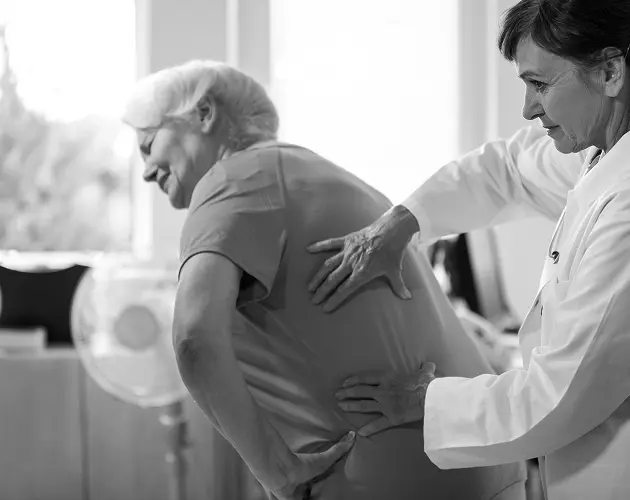
The Buddhi Clinic Advantage
Specialised neurorehabilitation for complex spinal injuries
Advanced neuroscience, rehabilitation medicine, and whole-person care converge to deliver comprehensive SCI rehabilitation treatment, focused on maximising function, preventing complications, and supporting long-term recovery.
FAQ
Guidance for the SCI Recovery Path
Can function improve after a spinal cord injury?
Yes. Recovery depends on injury level, severity, and targeted rehabilitation.
Is rehabilitation helpful years after SCI?
Absolutely. Neuroplasticity allows continued improvement with the right therapy.
Does spinal injury physiotherapy treatment help paralysis?
It improves strength, flexibility, posture, and functional independence.
Are non-invasive brain or spinal stimulation techniques useful?
Yes. Neuromodulation can support motor relearning and neural adaptation.
Will autonomic issues improve with treatment?
Many individuals experience better bladder, bowel, and blood pressure regulation.
Is emotional support part of SCI rehabilitation?
Yes. Psychological care is essential for motivation, adaptation, and quality of life.
