 +91 95000 10065


For Every Fear That Strikes Without Warning, Control Can Return.
Science-guided care that resets your body’s alarm system.
Panic Disorder: Understanding Panic Disorder
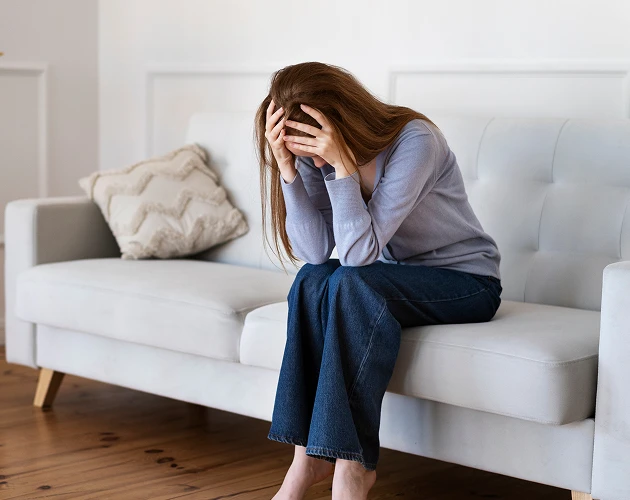
Panic disorder isn’t “nervousness”, it’s the body’s alarm misfiring so intensely it feels like danger now. Panic follows a predictable loop: alarm → body reaction → brain misread → escalation. With targeted brain-body therapies and nervous system retraining, this cycle can be broken.
Panic Has a Pattern. Relief Has a Path.
Decoding your triggers, body responses, and brain circuits to restore inner stability.

Panic Disorder Simply Explained
Panic disorder happens when the body’s threat detection system becomes hypersensitive. Instead of activating only in real emergencies, it fires during ordinary moments, creating intense, sudden waves of fear called panic attacks. These attacks are driven by rapid shifts in breathing, heart rate, and brain activity. Once you understand the cycle, you can interrupt it and eventually prevent it, with structured, science-backed care.
Symptoms
Panic attacks show up in the body first, even before the mind catches up.
- Physical Storm: Racing heart, breathlessness, chest pain, trembling, sweating
- Mind Spiral: Fear of losing control, fear of dying, sudden dread
- After-Effects: Fatigue, avoidance, “what if it happens again?” worry
Assessments
We assess panic disorder by studying both the episodes and the patterns behind them. This includes evaluating breathing habits, cardiac responses, autonomic balance, cognitive triggers, and stress sensitivity. Brain-mapping tools, clinical interviews, and neuropsychological insights help us identify what drives the panic loop, so treatment targets the root, not just the symptoms.
Treatment
Our approach focuses on calming the body’s alarm system and retraining the brain to interpret sensations accurately. This may include behavioural therapies, breath and body regulation protocols, neuro-modulatory techniques, lifestyle stabilisation, and targeted mind–body practices. The goal is not just to stop attacks, but to restore confidence and help you feel safe in your own body again.
Outcomes
With the right treatment, panic attacks become less frequent, less intense, and easier to manage, and eventually stop altogether. People often report a renewed sense of control, improved daily functioning, and freedom from avoidance behaviours. Most importantly, they regain trust in their body, their mind, and their ability to live without fear of the next episode.
The Buddhi Clinic Advantage
Where calm is engineered, through science, care, and whole-person healing.
We uncover the unique triggers behind your panic, map how your body responds, and personalise a treatment plan that integrates brain science, behavioural therapy, and restorative practices. By healing the nervous system from multiple angles, we help you move beyond coping, towards lasting freedom from panic.
Answers That Calm the Alarm
Explore expert insights, practical guidance, and clear answers to your most pressing questions about anxiety and its care.
Are panic attacks dangerous?
No. They feel overwhelming, but they are not physically harmful. What becomes challenging is the fear of the next attack, which we help you break.
Can panic disorder develop suddenly?
Yes. It often begins after stress, illness, or a major life shift, but sometimes appears without an obvious trigger.
Is medication always needed?
Not always. Many people recover through behavioural and neuro-body therapies alone. Medication is used only when necessary.
Why do panic attacks feel physical?
Because they begin in the autonomic nervous system, which controls breathing and heart rate, your body reacts before the mind realises what’s happening.
Can panic disorder be cured?
Yes. With targeted care, people often achieve complete remission and return to full, confident living.
Why do panic attacks happen at night?
Yes. With targeted care, people often achieve complete remission and return to full, confident living.
How long does recovery take?
It varies, but improvement often begins within weeks as the panic cycle is interrupted and the body relearns calm.
