 +91 95000 10065


When Nerves Misfire, the Body Feels It Everywhere
Neuropathy disrupts sensation, movement, and comfort, but targeted nerve care can restore balance and relief.
Neuropathy: Understanding Neuropathy Beyond Pain
Neuropathy refers to damage or dysfunction of nerves that carry signals between the brain, spinal cord, and the rest of the body. It can result from diabetes, injuries, infections, autoimmune conditions, nutritional deficiencies, or prolonged nerve compression. Effective neuropathy treatment goes beyond symptom control; it focuses on identifying the cause, calming irritated nerves, and restoring healthy signal transmission.
The Pain Isn’t Imaginary. The Signal Is Disrupted.
Neuropathy occurs when nerves send distorted messages; rehabilitation helps correct those signals rather than simply masking them.

Neuropathy Simply Explained
Healthy nerves act like precise electrical cables. In neuropathy, these cables become damaged, inflamed, or hypersensitive, leading to burning pain, numbness, tingling, or weakness. Peripheral neuropathy treatment focuses on repairing nerve health, retraining sensory pathways, and reducing abnormal pain responses. With structured neuropathic pain management, nerves can regain stability and function.
Symptoms
Neuropathy presents differently depending on the nerves involved.
- Sensory Symptoms: Burning, tingling, pins-and-needles, numbness, electric-shock sensations, or heightened sensitivity to touch.
- Motor Symptoms: Muscle weakness, cramps, coordination difficulties, foot drop, or reduced grip strength.
- Pain-Related Symptoms: Chronic nerve pain that worsens at night, sharp shooting pains, or persistent discomfort requiring nerve pain treatment.
- Autonomic Symptoms: Changes in sweating, digestion, blood pressure, or temperature regulation.
Assessments
Identifying the nerve, the cause, and the pattern.
- Neurological Examination
- Nerve Conduction & Sensory Testing
- Pain Pattern & Functional Assessment
- Metabolic & Nutritional Screening
- Postural and Movement Evaluation
- Personalised Neuropathy Profiling
This precision allows us to design the best treatment for neuropathy for each individual.
Treatment
Targeted care to calm, heal, and retrain nerves.
- Peripheral Neuropathy Treatment: Cause-specific medical and rehabilitative care
- Neuropathic Pain Management: Non-invasive pain modulation and sensory retraining
- Neurorehabilitation Therapy: Improving nerve-brain communication
- Physiotherapy: Strengthening, balance, gait, and nerve mobility
- Lifestyle & Metabolic Correction: Nutrition, blood sugar control, and inflammation reduction
- Mind-Body Regulation: Techniques to reduce pain amplification and stress-related flare-ups
Together, these form a comprehensive and sustainable neuropathy treatment plan.
Outcomes
With consistent and personalised care, individuals experience reduced nerve pain, improved sensation, better balance, enhanced strength, and improved daily functioning. As nerve irritation settles and pathways stabilise, quality of life improves steadily and sustainably.
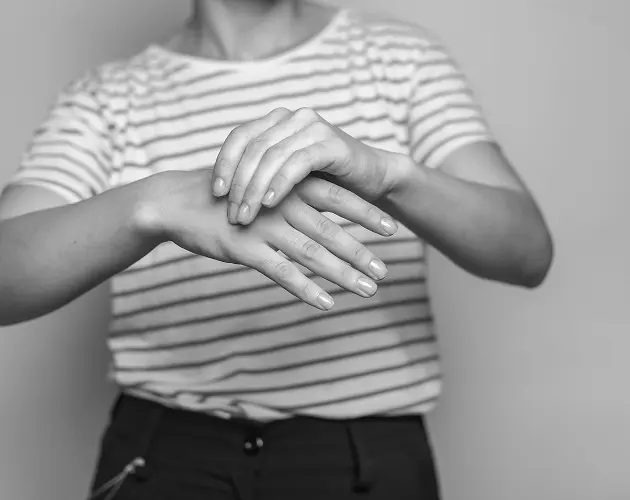
At Buddhi Clinic, we combine neurological expertise, rehabilitation medicine, and integrative therapies to deliver advanced nerve pain treatment that addresses both cause and consequence, supporting long-term nerve recovery, not temporary relief.
FAQ
Clear Answers for Nerve Pain Relief
Is neuropathy reversible?
Some forms are reversible; others are manageable with effective treatment.
Does neuropathy always involve pain?
No. Some people experience numbness or weakness without pain.
How is neuropathic pain different from muscle pain?
Neuropathic pain originates from nerve dysfunction, not muscle strain.
Can physiotherapy help neuropathy?
Yes. Targeted therapy improves strength, balance, and nerve mobility.
How long does neuropathy treatment take?
Timelines vary depending on cause, severity, and response to treatment.
Is medication the only option?
No. Rehabilitation, nerve modulation, and lifestyle correction are key components of care.
