 +91 95000 10065


When Pain Becomes a Pattern
Headaches aren’t just episodes of pain; they’re signals from the brain, nerves, muscles, or vascular system asking for attention.
Headache: Understanding Headache Beyond Painkillers
Headaches are among the most common neurological complaints, yet also one of the most misunderstood. While many headaches are episodic and benign, recurring or persistent headaches often indicate deeper dysfunction involving neural pathways, muscle tension, posture, stress physiology, or vascular regulation. Treating the cause, not just the pain, is key to lasting relief.
Not All Headaches Are the Same. Neither Is Their Treatment.
Identifying the type, trigger, and pattern of headache changes everything about recovery.
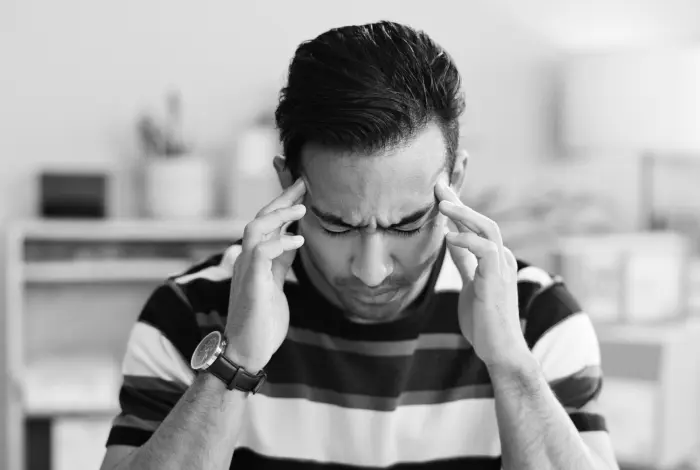
Headache Simply Explained
A headache occurs when pain-sensitive structures in the head and neck, such as nerves, muscles, blood vessels, or connective tissue, become irritated or dysregulated. What many people don’t realise is that repeated headaches can “train” the nervous system into pain patterns, making episodes more frequent and intense over time. Neurorehabilitation focuses on interrupting this pattern at its source.
Symptoms
Headaches present differently depending on the underlying mechanism.
- Pain Characteristics: Dull pressure, tight band-like sensation, throbbing, stabbing, or unilateral pain.
- Associated Sensations: Neck stiffness, scalp tenderness, jaw discomfort, and eye strain.
- Sensory Sensitivity: Light sensitivity, sound sensitivity, and visual discomfort.
- Functional Impact: Difficulty concentrating, irritability, fatigue, and reduced work performance.
Assessments
A detailed evaluation to identify the true driver of pain.
- Neurological Examination
- Musculoskeletal & Postural Assessment
- Trigger Pattern Analysis (sleep, stress, screens, movement)
- Imaging Review (when indicated)
- Autonomic & Vascular Evaluation
- Psychological Stress Load Assessment
Treatment
Individualised, non-invasive, and rehabilitation-focused care.
- Physical & Manual Therapy: Address neck, jaw, and postural contributors
- Neurorehabilitation: Retrains pain-processing circuits
- Neuromodulation: Supports nervous system recalibration where required
- Stress & Autonomic Regulation: Breathing, relaxation, and biofeedback
- Lifestyle & Ergonomic Optimisation: Sleep, hydration, screen habits
Outcomes
With targeted neurorehabilitation, many individuals experience fewer headaches, reduced intensity, improved neck mobility, better concentration, and reduced reliance on pain medication. The goal is not just relief, but prevention.

Our multidisciplinary team integrates neurology, physical medicine, rehabilitation, and mind-body therapies to uncover why your headaches persist and how to stop them from returning.
FAQ
Answers That Ease the Pain
Are frequent headaches always migraines?
No. Tension-type, cervicogenic, and stress-related headaches are very common.
Is long-term painkiller use safe for headaches?
Overuse can worsen headaches. Addressing root causes is safer and more effective.
Can posture really cause headaches?
Yes. Neck and shoulder dysfunction is a major contributor.
When should I seek medical evaluation?
If headaches are frequent, worsening, or affecting daily life.
Can headaches be fully cured?
Many can be significantly reduced or resolved with correct diagnosis and rehab.
