 +91 95000 10065

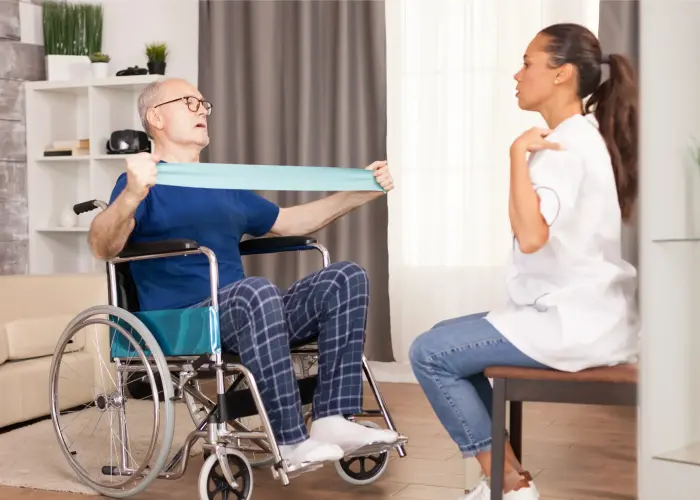
Supporting Movement. Strengthening Possibility.
Cerebral palsy care that blends advanced rehabilitation, brain–body therapies, and long-term functional support.
Cerebral Palsy: Understanding Cerebral Palsy Beyond the Diagnosis
Cerebral Palsy is a group of non-progressive neurological conditions that affect movement, posture, muscle tone, and coordination. While the brain injury itself does not worsen, the physical challenges can change over time. Early, targeted intervention plays a crucial role in improving mobility, independence, communication, and quality of life across childhood and beyond.
Movement Is the Language of the Brain
Cerebral palsy reflects how the brain communicates with the body. With the right therapies, that communication can be strengthened and refined.
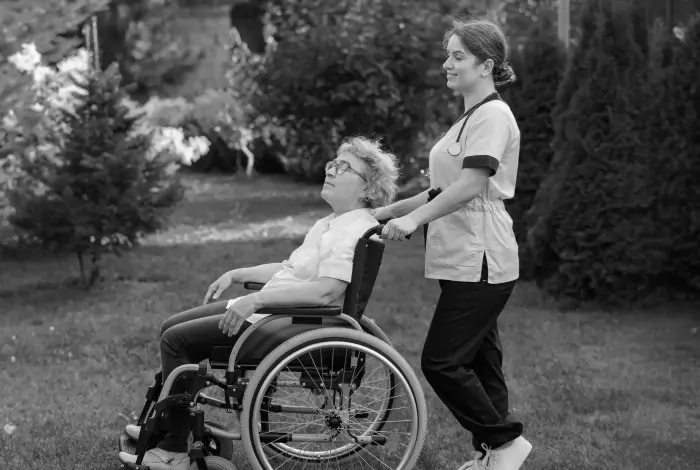
Cerebral Palsy, Simply Explained
Cerebral palsy occurs due to early brain injury or abnormal brain development, typically before, during, or shortly after birth. It affects how the brain sends signals to muscles, impacting movement control, balance, and coordination. With structured neurorehabilitation and adaptive therapies, functional abilities can significantly improve.
Symptoms
Here’s how Cerebral Palsy may present across development:
- Motor Challenges: Muscle stiffness or floppiness, delayed milestones, difficulty with walking, balance, posture, or fine motor tasks.
- Coordination & Control: Poor motor planning, involuntary movements, tremors, or difficulty with precise actions like grasping or writing.
- Speech & Feeding: Speech articulation difficulties, drooling, swallowing challenges, or feeding coordination issues.
- Associated Conditions: Seizures, vision or hearing difficulties, learning challenges, or sensory processing differences in some individuals.
Assessments
The following is the comprehensive evaluation provided for individualised care:
- Neurological Evaluation: Assesses motor pathways, tone patterns, reflexes, and developmental progress.
- Functional & Gait Analysis: Evaluates posture, balance, walking patterns, and daily movement challenges.
- Therapy Assessments: Physical, occupational, and speech therapists assess functional abilities and goals.
- Whole-Child Review: Considers growth, nutrition, cognition, family environment, and daily participation.
Treatment
Here’s an integrated rehabilitation for lifelong function:
- Neurorehabilitation: Task-based physiotherapy to improve strength, balance, posture, and mobility.
- Neuromodulation Support: Non-invasive brain and nerve stimulation to enhance motor learning and control.
- Occupational Therapy: Builds independence in daily activities, fine motor skills, and adaptive strategies.
- Speech & Feeding Therapy: Supports communication, swallowing, and oral motor coordination.
- Mind–Body Interventions: Yoga therapy, posture training, and relaxation techniques to reduce spasticity.
- Assistive & Adaptive Planning: Orthotics, mobility aids, and environmental modifications as needed.
Outcomes
With consistent, personalised therapy, individuals with cerebral palsy can achieve improved mobility, better posture, enhanced communication, greater independence, and participation in school, play, and daily life. Progress is tracked, and goals evolve as the child grows.

Our multidisciplinary team combines neurological expertise, advanced rehabilitation technologies, and holistic therapies to support movement, independence, and long-term functional growth under one coordinated care model.
Answers That Bring Clarity and Confidence
Explore expert insights, practical guidance, and clear answers to your most pressing questions about Cerebral Palsy and its care.
Is cerebral palsy progressive?
No. The brain injury does not worsen, but symptoms can change as the body grows, making ongoing therapy important.
Can children with cerebral palsy improve mobility?
Yes. With early and continuous intervention, many children achieve meaningful gains in movement and independence.
Does cerebral palsy affect intelligence?
Not always. Many individuals have typical intelligence. Cognitive impact varies depending on the brain areas involved.
Is therapy lifelong?
Therapy needs change over time. Support may continue through different life stages to maintain function and comfort.
Can adults with cerebral palsy benefit from therapy?
Absolutely. Adults can improve mobility, reduce pain, and enhance quality of life with targeted rehabilitation.
Are non-invasive brain therapies safe for children?
Yes, when appropriately prescribed and monitored, they can support motor learning and functional improvement.
