 +91 95000 10065

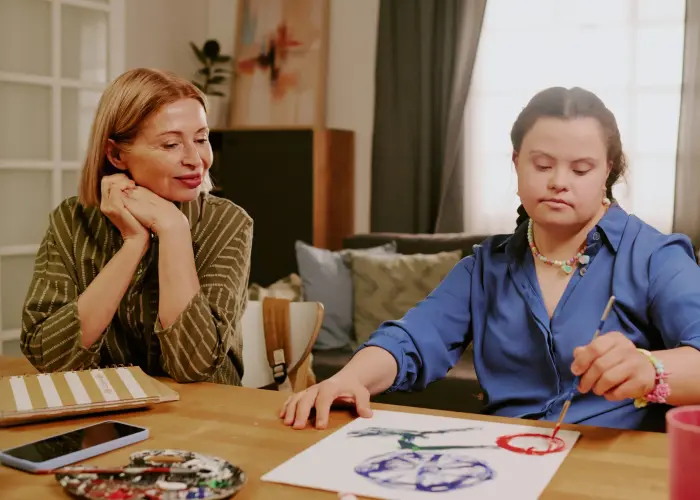
Different Wiring. Different Strengths. Different Needs.
Autism is not a single condition; it’s a spectrum of brain development patterns that shape communication, behaviour, and sensory experience uniquely.
Autism: Understanding Autism Beyond Labels
Autism Spectrum Disorder is a neurodevelopmental condition that affects how the brain processes social cues, language, sensory input, and behaviour. It is not a disease to be “fixed,” but a difference in neurological organisation. With early identification, structured interventions, and supportive environments, individuals on the spectrum can build meaningful communication, independence, and quality of life across stages of development.
When care aligns with how the autistic brain learns, senses, and connects, development becomes supported, not forced.
When care aligns with how the autistic brain learns, senses, and connects, development becomes supported, not forced.
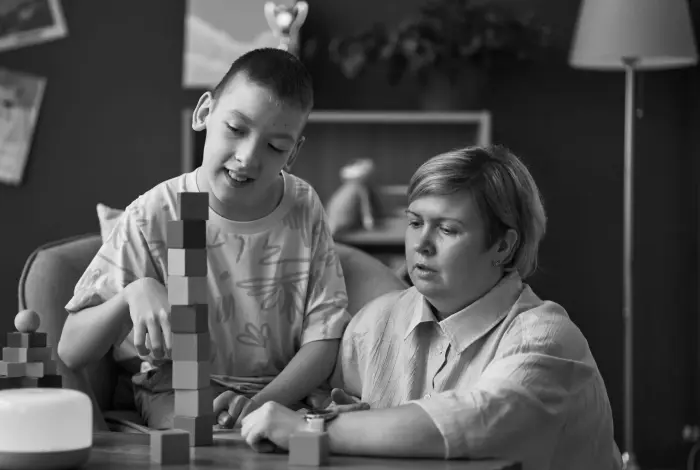
Autism, Simply Explained
Autism arises from differences in early brain development that affect social interaction, communication, sensory regulation, and behaviour patterns. These differences vary widely, hence the term spectrum. Understanding autism means recognising strengths alongside challenges and creating therapies that respect individuality while supporting functional growth.
Symptoms of Anxiety
Autism presents differently in every individual. Recognising patterns early allows timely, effective support.
Social & Communication
- Limited eye contact or social reciprocity
- Delayed speech or unusual language patterns
- Difficulty understanding social cues, emotions, or boundaries
Behavioural Patterns
- Repetitive movements or routines
- Strong resistance to change
- Deep focus on specific interests
Sensory Processing
- Over- or under-sensitivity to sound, light, touch, or textures
- Unusual responses to pain or temperature
Developmental Differences
- Delays in play, imitation, or adaptive skills
- Uneven skill development across areas
Assessments
Autism assessment goes beyond observation; it maps development, cognition, and neural functioning.
- Developmental Evaluation: Reviews milestones, behaviour, learning style, and daily functioning
- Psychometric & Cognitive Testing: Assesses intelligence, attention, memory, and adaptive skills
- Speech & Language Assessment: Evaluates expressive, receptive, and pragmatic communication
- Sensory Integration Assessment: Identifies sensory modulation challenges
- Neurological Review: Screens for co-existing neurological or medical conditions
- Whole-Child Profile: Integrates brain, behaviour, environment, and family context
Treatment
Interventions are individualised, structured, and developmentally aligned, not one-size-fits-all.
- Speech & Language Therapy: Enhances functional communication, articulation, comprehension, and social language.
- Occupational Therapy: Supports sensory integration, motor planning, daily living skills, and self-regulation.
- Parent Training & Guidance: Empowers families with tools to reinforce learning and reduce stress at home.
- Technology-Supported Interventions: Neurofeedback and cognitive training (where appropriate) support attention and regulation.
- Integrative Supports: Yoga therapy, sensory modulation strategies, and lifestyle structuring aid nervous system balance.
Outcomes
With early, consistent, and coordinated support, individuals with autism can improve communication, emotional regulation, learning readiness, independence, and social participation, while preserving their individuality and strengths.
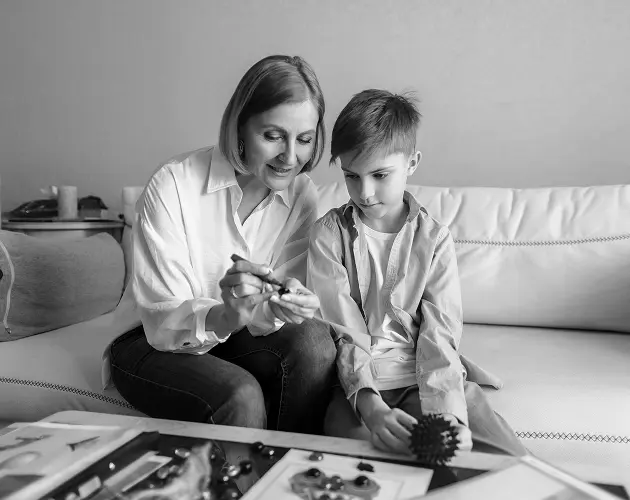
The Buddhi Clinic Advantage
Developmental care that adapts to the child, not the other way around.
A multidisciplinary, integrative model brings neurology, therapy, psychology, and technology together, creating personalised developmental pathways that evolve as the child grows.
FAQ
Explore expert insights, practical guidance, and clear answers to your most pressing questions about anxiety and its care.
Is autism a disease or illness?
No. Autism is a neurodevelopmental condition involving differences in brain organisation, not a disease.
Can autism be cured?
Autism is not cured, but with the right interventions, functional abilities, communication, and independence can improve significantly.
When should autism be assessed?
As early as developmental concerns appear, often between 18 months and 3 years. Early intervention leads to better outcomes.
Does every autistic child need the same therapy?
No. Autism is a spectrum. Therapy plans are tailored to individual strengths, challenges, and developmental needs.
Can adults be diagnosed with autism?
Yes. Many individuals receive diagnoses in adolescence or adulthood, especially those with subtle traits.
Will my child always be dependent?
Not necessarily. With structured support, many individuals develop strong independence, vocational skills, and meaningful relationships.
How involved are parents in therapy?
Parental involvement is essential. Guidance and training help extend therapeutic benefits into daily life.
