 +91 95000 10065


When Digestion Reflects More Than the Gut
Digestive disorders often signal a deeper brain–gut imbalance. Effective treatment begins by understanding how the nervous system, gut, and lifestyle interact.
Digestive Disorder: Understanding Digestive Health Beyond Symptoms
Digestive system disorders affect far more than digestion alone. From bloating and acidity to irregular bowel habits and chronic discomfort, these conditions can impact energy levels, mood, immunity, and overall well-being. While symptoms may appear gut-related, many digestive disorders are influenced by nervous system regulation, stress responses, and lifestyle rhythms. Comprehensive digestive disorders treatment focuses on restoring balance rather than suppressing symptoms.
The Gut Listens to the Brain
Digestive health depends on how well the brain, nerves, hormones, and gut communicate; healing begins when this dialogue is restored.
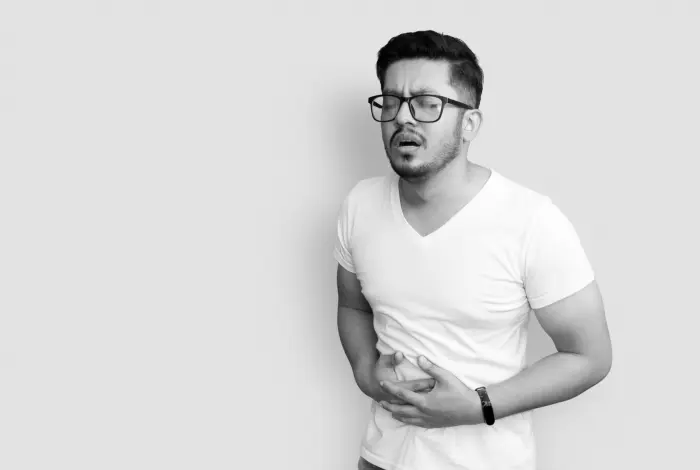
Digestive Disorders Simply Explained
The digestive system is regulated by an extensive network of nerves known as the gut–brain axis. In digestive system disorders, this communication becomes disrupted, leading to altered gut motility, sensitivity, secretion, or absorption. Stress, anxiety, inflammation, dietary patterns, and autonomic imbalance can all contribute. By understanding digestive system disorders and treatments from a whole-person perspective, long-term relief becomes achievable.
Symptoms of Anxiety
Digestive signals the body shouldn’t ignore.
- Abdominal Discomfort: Bloating, cramping, gas, or pain that recurs or persists.
- Altered Bowel Habits: Constipation, diarrhoea, or alternating patterns affecting daily routine.
- Digestive Sensitivity: Discomfort after meals, food intolerance, or early fullness.
- Systemic Effects: Fatigue, brain fog, poor appetite, or mood changes linked to digestion.
Assessments
Identifying what’s driving digestive imbalance.
- Detailed digestive and dietary history
- Evaluation of stress, sleep, and nervous system regulation
- Screening for functional and inflammatory digestive conditions
- Assessment of gut–brain interaction and autonomic balance
- Lifestyle and metabolic review
This comprehensive evaluation ensures accurate diagnosis and personalised digestive disorders treatment.
Treatment
Targeted strategies to restore gut function and comfort.
- Gut–Brain Regulation: Addressing nervous system imbalance affecting digestion
- Dietary Optimisation: Personalised nutrition plans for tolerance and healing
- Mind-Body Therapies: Stress reduction and autonomic regulation techniques
- Medical Management: Used when necessary for symptom stabilisation
- Lifestyle Alignment: Sleep, activity, and meal-timing adjustments
- Ongoing Monitoring: Tracking symptom patterns and treatment response
This integrative approach supports the best treatment for digestive problems, focused on sustainable improvement.
Outcomes
With the right care, individuals experience reduced digestive discomfort, improved bowel regularity, better food tolerance, increased energy, and enhanced quality of life. Treatment aims to restore digestive confidence, not to be constantly vigilant for symptoms.

At Buddhi Clinic, we approach digestive system disorders through an integrated lens, combining medical insight, nervous system regulation, lifestyle medicine, and personalised care to address root causes and promote lasting relief.
FAQ
Clear Answers for Digestive Concerns
Are digestive disorders always caused by food issues?
No. Stress, nervous system imbalance, and gut–brain communication play major roles.
Can digestive disorders be treated without long-term medication?
Often yes. Many respond well to dietary, behavioural, and mind-body approaches.
How long does digestive disorder treatment take to show results?
Improvement may begin within weeks, though timelines vary by condition.
Are digestive symptoms linked to anxiety or sleep problems?
Yes. The gut and brain are closely connected, and dysregulation in one affects the other.
Is bloating always a serious condition?
Not always, but persistent or worsening symptoms should be evaluated.
Can digestive disorders return after treatment?
Relapses can occur, but long-term regulation strategies reduce recurrence.


 Book a Consultation