 +91 95000 10065


When Muscles Weaken Over Time
Muscular dystrophy is a genetic condition affecting muscle strength and function. Early support and structured care can preserve mobility and independence.
Muscular dystrophy (MD): Understanding Progressive Muscle Disorders
Muscular dystrophy (MD) refers to a group of inherited conditions that cause gradual muscle weakening and degeneration. These disorders interfere with the proteins responsible for maintaining healthy muscle fibres, leading to progressive loss of strength. While MD cannot be cured, timely diagnosis and comprehensive care play a vital role in slowing progression, improving function, and enhancing quality of life.
Strength Changes, Support Shouldn’t
Though muscle strength may decline, proactive rehabilitation and adaptive strategies help individuals remain active, independent, and engaged.
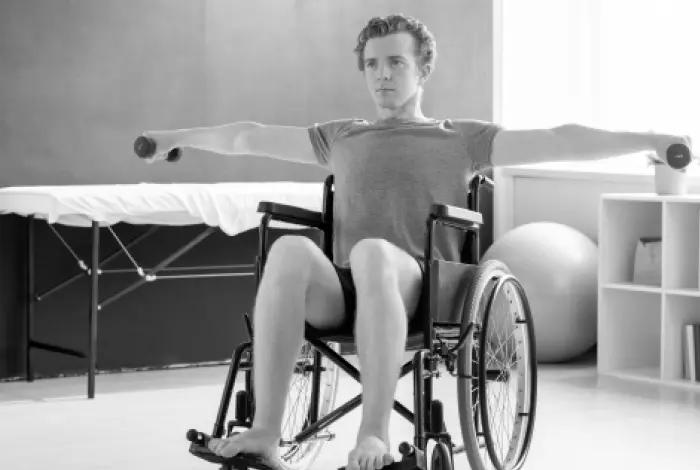
Muscular Dystrophy Simply Explained
In muscular dystrophy, muscles lack key proteins needed to repair and protect muscle fibres. Over time, repeated muscle use causes damage that the body cannot fully repair, leading to weakness and muscle wasting. Different types of MD progress at different rates and affect different muscle groups, but all benefit from early intervention and long-term neuromuscular care.
Symptoms
Progressive muscle changes that evolve with time.
- Muscle Weakness: Difficulty walking, climbing stairs, lifting objects, or raising arms.
- Delayed Motor Milestones (in children): Late walking, frequent falls, or difficulty running.
- Muscle Wasting: Gradual thinning or loss of muscle bulk in affected areas.
- Postural & Mobility Changes: Poor balance, altered gait, scoliosis, or joint stiffness.
Assessments
Identifying the type, severity, and progression of the condition.
- Detailed neurological and musculoskeletal examination
- Muscle strength and functional mobility testing
- Genetic testing to identify the specific type of dystrophy
- Blood tests (including muscle enzyme levels)
- Imaging and electrophysiological studies, when required
- Respiratory and cardiac screening as part of comprehensive care
Treatment
Focused on preserving function, preventing complications, and improving quality of life.
- Rehabilitative Physiotherapy: Maintaining strength, flexibility, and mobility
- Orthotic & Assistive Support: Braces, mobility aids, and adaptive devices
- Respiratory & Cardiac Monitoring: Preventing secondary complications
- Occupational Therapy: Supporting daily activities and independence
- Nutritional Guidance: Supporting muscle health and energy needs
- Long-Term Monitoring & Care Planning: Adjusting interventions as needs evolve
Outcomes
While muscular dystrophy is progressive, structured multidisciplinary care can significantly slow functional decline. Many individuals maintain mobility longer, experience fewer complications, and achieve better participation in daily life through consistent rehabilitation and monitoring.
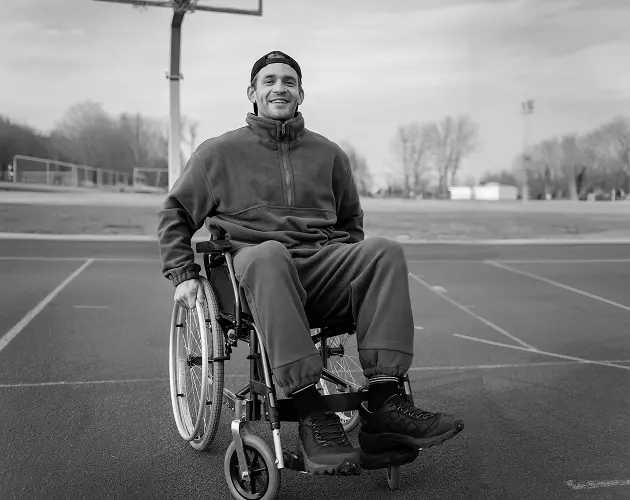
At Buddhi Clinic, we provide coordinated care that brings together neurologists, rehabilitation specialists, therapists, and long-term support systems, ensuring individuals with muscular dystrophy receive personalised, proactive, and compassionate care.
FAQ
Clarity for Families & Caregivers
Is muscular dystrophy curable?
Currently, there is no cure, but treatment helps manage symptoms and slow progression.
Are all muscular dystrophies the same?
No. There are multiple types, each affecting different muscles and progressing differently.
When should physiotherapy begin?
As early as possible, early therapy helps preserve muscle function longer.
Can children with MD attend regular school?
Yes, with appropriate support and accommodations.
Does muscular dystrophy affect lifespan?
This depends on the type and severity. Early medical and rehabilitative care improves outcomes.
How often should follow-ups happen?
Regular reviews are essential to adapt treatment as the condition evolves.


 Book a Consultation