 +91 95000 10065


When the Brain Is Injured, Healing Needs Direction
TBI recovery isn’t automatic. It requires precise assessment, guided retraining, and structured neurorehabilitation to help the brain regain lost function.
Traumatic Brain Injury (TBI): Understanding Traumatic Brain Injury Beyond the Impact
Traumatic Brain Injury occurs when an external force, such as a fall, accident, or blow, disrupts normal brain function. While some effects appear immediately, many unfold gradually, affecting memory, movement, emotions, attention, and behaviour. Effective traumatic brain injury treatment focuses not just on symptom control, but on restoring disrupted brain networks through comprehensive, long-term rehabilitation.
The Injury May Be Instant. Recovery Is Progressive.
Healing after TBI depends on how well the brain is supported to relearn, reorganise, and reconnect through targeted neuro-rehabilitation strategies.
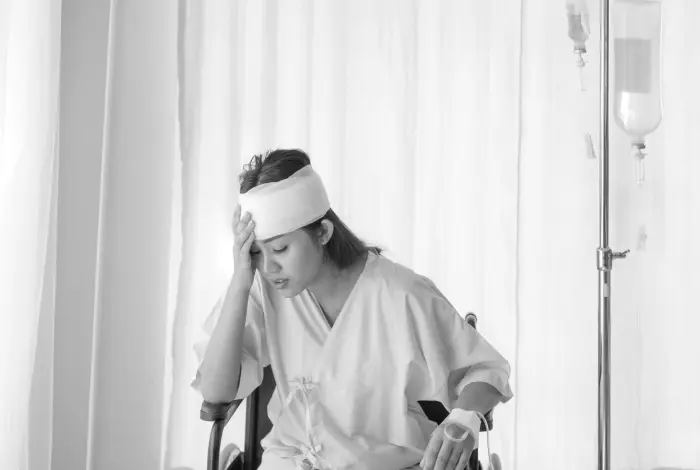
TBI Simply Explained
A traumatic brain injury doesn’t damage the entire brain uniformly. Some circuits are injured, others become underactive, and many lose coordination. TBI neuro rehabilitation therapy works by identifying these disrupted networks and systematically retraining them, allowing the brain to compensate, adapt, and rebuild function using neuroplasticity.
Symptoms
TBI affects thinking, movement, emotions, and daily life.
- Cognitive Changes: Memory lapses, slowed processing, poor concentration, confusion, or difficulty planning and organising tasks.
- Physical Difficulties: Headaches, dizziness, balance problems, weakness, coordination loss, fatigue, or sensory sensitivity.
- Emotional & Behavioural Changes: Mood swings, irritability, anxiety, impulsivity, low motivation, or emotional flattening.
- Functional Limitations: Difficulty returning to work, academics, social interaction, or independent daily activities.
Assessments
Decoding the injury before designing recovery.
- Neurological & Functional Evaluation
- Cognitive & Behavioural Assessment
- Balance, Gait & Motor Analysis
- Brain Imaging & Clinical Correlation
- Autonomic & Sensory Testing
- Personalised Recovery Mapping
This precision evaluation guides TBI rehabilitation treatment plans tailored to the injury’s severity, location, and functional impact.
Treatment
Structured rehabilitation that evolves with the brain.
- Neurorehabilitation Therapy: Task-specific retraining to restore cognitive, motor, and sensory function
- Neuromodulation: Supporting brain plasticity and network rebalancing
- Traumatic Brain Injury Physiotherapy: Improving strength, coordination, posture, and mobility
- Cognitive Rehabilitation: Memory, attention, executive function retraining
- Speech & Communication Therapy: Addressing language, speech, and swallowing difficulties
- Psychological Support: Managing emotional changes and adjustment challenges
- Lifestyle & Fatigue Management: Sleep regulation, energy pacing, and nervous system support
This integrated approach reflects the best treatment for TBI, addressing brain, body, and behaviour together.
Outcomes
With consistent, personalised care, individuals experience improved clarity, mobility, balance, emotional regulation, functional independence, and confidence. Progress is continuously monitored and adjusted, recognising that recovery after TBI is ongoing, not linear.
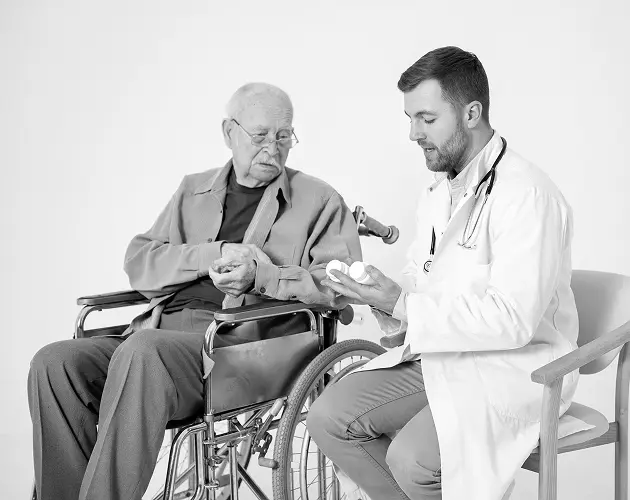
The Buddhi Clinic Advantage
Neurorehabilitation is designed for complex brain injuries
As one of the few advanced TBI rehabilitation centres offering integrated neuroscience, rehabilitation medicine, and brain stimulation under one roof, care focuses on restoring function, not just managing symptoms. Every plan adapts as the brain heals.
FAQ
Clarity for the TBI Recovery Journey
How long does recovery from a traumatic brain injury take?
Recovery varies widely. Some improve within months, while others need long-term rehabilitation.
Is rehabilitation effective even years after TBI?
Yes. The brain retains neuroplasticity well beyond the initial phase of injury.
What makes TBI rehabilitation different from regular physiotherapy?
TBI rehabilitation integrates cognitive, neurological, and physical retraining, not just muscle recovery.
Can non-invasive brain stimulation help TBI recovery?
Yes. Neuromodulation can support neural reorganisation and functional improvement.
Will emotional and behavioural symptoms improve with treatment?
Absolutely. These symptoms are neurological and respond well to structured therapy.
Is traumatic brain injury physiotherapy always required?
In most cases, yes, movement, balance, and coordination retraining are essential for recovery.


 Book a Consultation