 +91 95000 10065

When the Brain Changes, Recovery Must Begin Immediately
Stroke is not an endpoint; it’s a neurological event that demands timely, targeted brain and body retraining.
Stroke: Understanding Stroke Beyond the Emergency
A stroke occurs when blood flow to a part of the brain is interrupted, depriving brain cells of oxygen and nutrients. While the initial event is sudden, its effects unfold over time, impacting movement, speech, cognition, emotions, and independence. Recovery depends not only on survival, but on how effectively the brain is supported to reorganise, adapt, and heal.
Damage Happens Fast. Recovery Is a Process.
The brain doesn’t heal by waiting; it heals through guided stimulation, repetition, and retraining of affected neural pathways.
Stroke Simply Explained
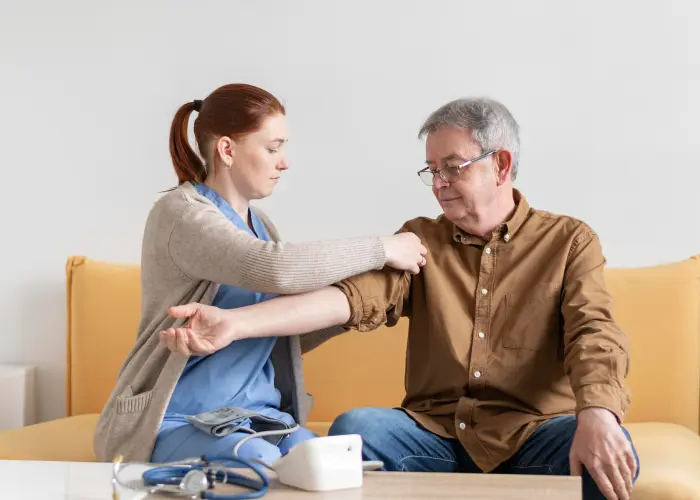
After a stroke, some brain circuits are damaged, while others remain intact but underutilised. The brain has an innate ability called neuroplasticity, its capacity to rewire and delegate functions to healthier regions. Stroke rehabilitation works by activating this plasticity through structured therapies that retrain movement, speech, balance, cognition, and daily function.
Symptoms
Stroke affects more than movement; it alters how the brain communicates.
- Motor Impairments: Weakness or paralysis on one side of the body, poor coordination, spasticity, or loss of fine motor control.
- Speech & Swallowing Difficulties: Slurred speech, language comprehension issues, difficulty expressing thoughts, or choking while eating.
- Cognitive & Emotional Changes: Memory loss, attention difficulties, slowed thinking, mood swings, anxiety, or post-stroke depression.
- Sensory & Balance Issues: Numbness, visual field loss, dizziness, poor balance, and increased fall risk.
Assessments
Mapping what’s affected, and what can be restored.
- Neurological & Functional Evaluation
- Motor, Balance & Gait Analysis
- Speech, Swallow & Cognitive Assessment
- Brain Imaging Review
- Autonomic & Sensory Testing
- Goal-Based Recovery Planning
Treatment
Rebuilding function through precision neurorehabilitation.
- Neurorehabilitation Therapy: Task-specific retraining for movement and coordination
- Neuromodulation: Supporting brain plasticity and motor recovery
- Speech & Cognitive Therapy: Restoring communication and executive functions
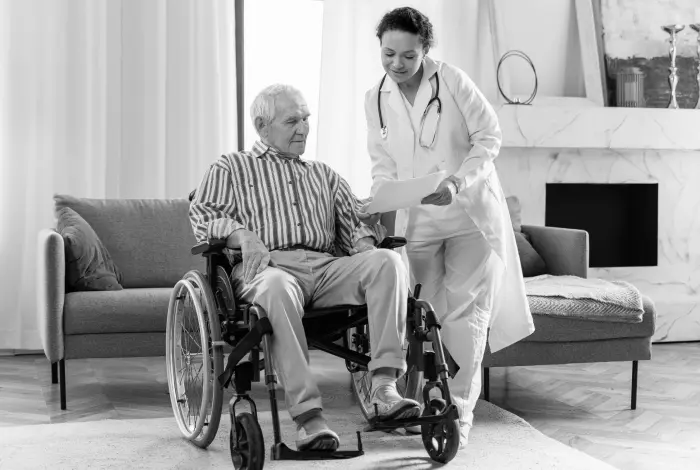
- Occupational Therapy: Relearning daily activities and independence skills
- Postural & Balance Training: Preventing falls and improving confidence
- Mind-Body Support: Managing fatigue, mood, and emotional adaptation
Outcomes
With consistent, personalised rehabilitation, individuals experience improved mobility, clearer speech, better balance, enhanced cognitive function, emotional stability, and greater independence, often continuing to recover months and even years after the stroke.
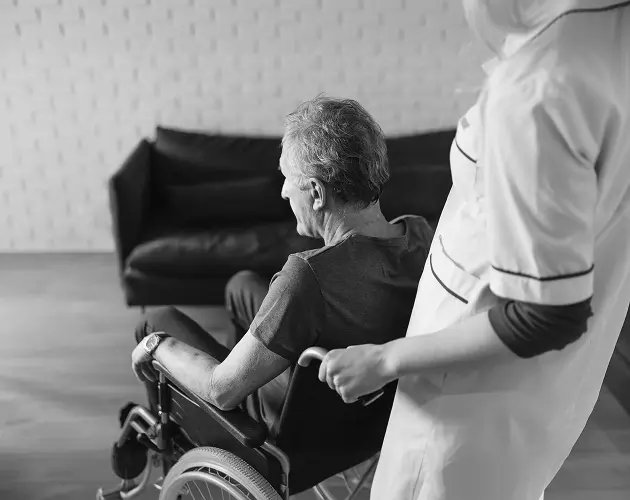
Stroke recovery integrates neurology, rehabilitation medicine, brain stimulation, speech therapy, and whole-person care, allowing rehabilitation to evolve with the brain, not plateau early.
FAQ
Answers for the Recovery Journey
How soon should rehabilitation begin after a stroke?
As early as medically safe. Early intervention improves long-term outcomes significantly.
Is recovery still possible months or years after a stroke?
Yes. The brain retains plasticity well beyond the acute phase.
Can stroke recovery plateau?
Plateaus occur without adaptive rehabilitation. Targeted therapies can restart progress.
Will rehabilitation reduce the risk of another stroke?
Indirectly, yes, by improving mobility, cardiovascular health, and lifestyle regulation.
Is emotional change common after a stroke?
Very. Mood, motivation, and personality shifts are neurological, not personal failures.
Can non-invasive brain stimulation help stroke recovery?
Yes. It can enhance motor relearning and support neural reorganisation.


 Book a Consultation