 +91 95000 10065


Parkinson’s: Understanding Parkinson’s Beyond Tremors
Parkinson’s disease is a progressive neurological condition caused by changes in brain circuits that control movement, balance, motivation, and automatic functions. While commonly associated with tremors, Parkinson’s also affects speech, sleep, mood, digestion, and cognition. Early understanding and integrated care can slow functional decline, reduce symptom burden, and help individuals stay active and engaged for longer.
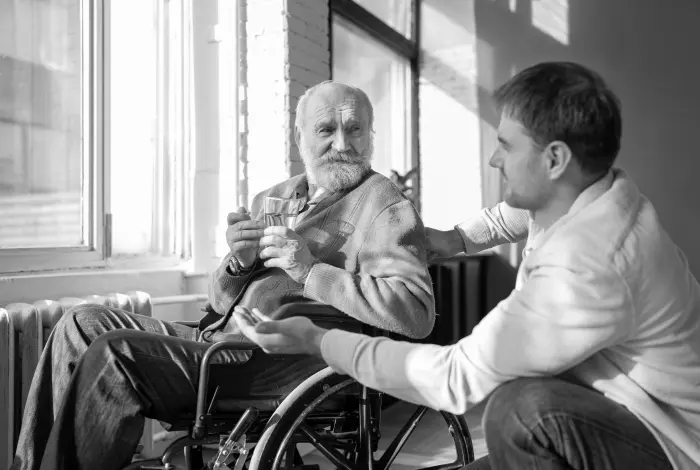
Parkinson’s, Simply Explained
Symptoms
Motor Symptoms
- Tremors at rest
- Slowness of movement (bradykinesia)
- Muscle stiffness and rigidity
- Balance difficulties and shuffling gait
Non-Motor Symptoms
- Sleep disturbances and fatigue
- Depression, anxiety, or apathy
- Constipation and autonomic dysfunction
- Memory and attention changes
Speech & Swallowing
- Soft or slurred speech
- Facial masking
- Difficulty swallowing
Assessments
- Neurological Examination: Assesses motor patterns, reflexes, balance, and disease progression
- Neurocognitive Testing: Screens attention, memory, and executive functions
- qEEG / Brain Mapping: Evaluates brain network slowing and dysregulation
- Autonomic Review: Assesses blood pressure, digestion, and sleep regulation
- Functional Assessment: Evaluates mobility, speech, daily activities, and quality of life
Treatment
- Medical Management: Optimised medication strategies for motor and non-motor symptoms
- Neuromodulation: Non-invasive stimulation (rTMS / tDCS) to support motor and cognitive circuits
- Neurorehabilitation: Physiotherapy, balance training, gait re-education
- Speech & Swallow Therapy: Voice strengthening and safe swallowing techniques
- Cognitive & Emotional Support: Therapy for mood, motivation, and coping
- Lifestyle & Movement Therapy: Exercise, yoga, breathing, and sleep regulation
Outcomes
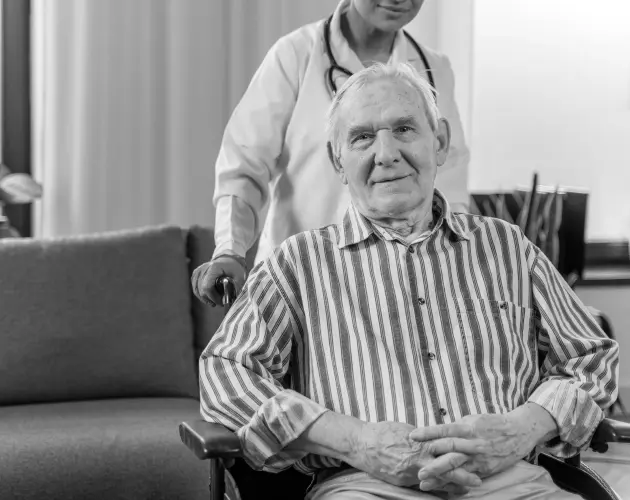
The Buddhi Clinic Advantage
A multidisciplinary model combines neurology, rehabilitation, brain-based therapies, and holistic support, allowing Parkinson’s care to evolve with each stage of the condition, not just manage symptoms.
Clarity for the Road Ahead
Explore expert insights, practical guidance, and clear answers to your most pressing questions about Parkinson’s and its care.


 Book a Consultation