 +91 95000 10065


Empowering the anxious mind through advanced neurocare and integrative healing.
Anxiety :Understanding the Mind in Overdrive
Anxiety is more than worry; it’s a brain-body response that keeps you in survival mode. When prolonged, it can impair sleep, digestion, focus, and emotional well-being. Recognising its roots helps shift the narrative from “what’s wrong with me?” to “how do I heal?
Your Mind Isn’t Overreacting. It’s Overthinking.
Anxiety isn’t who you are; it’s a loop your brain learned. And anything learned can be unlearned. By observing how your brain, body, and behaviour repeat certain rhythms, we can gradually disrupt the loop and teach your system a calmer baseline.

Anxiety Simply Explained
Understand the signs, explore the solutions, and discover what recovery can truly look like.
Symptoms of Anxiety
Anxiety shows up in ways we often dismiss. Learning the signs can help us respond before it spirals.
- Emotional: Persistent feelings of dread, irritability, or unease that cloud everyday experiences and reduce emotional resilience over time.
- Cognitive: Racing thoughts, mental fog, or obsessive thinking patterns disrupt clarity, decision-making, and confidence in daily tasks.
- Physical: Bodily symptoms like fatigue, muscle tension, rapid heartbeat, and restlessness often signal anxiety hiding beneath the surface.
- Behavioural: Withdrawing from responsibilities, people, or new experiences becomes a coping mechanism, reinforcing anxious cycles and limiting growth.
Assessments
We combine clinical expertise with cutting-edge tools to decode your anxiety from the inside out.
- qEEG Brain Mapping: Captures and analyses brainwave activity, helping detect areas of imbalance often linked with anxiety and emotional dysregulation.
- Psychometric Testing: Structured assessments gauge anxiety levels, pinpoint emotional triggers, and uncover co-existing psychological concerns for precise, personalised care.
- Neurological Review: Explores brain, nerve, and hormonal function to rule out deeper physiological contributors to anxiety symptoms and responses.
- Whole-Person Evaluation: Looks beyond symptoms, connecting mind, body, and lifestyle to design holistic, sustainable strategies for anxiety recovery.
Treatment
Personalised treatment pathways designed to calm, stabilise, and restore balance.
- Neuromodulation: Non-invasive stimulation like rTMS, tDCS, and taVNS helps recalibrate brain function.
- Brain Training: Neurofeedback teaches your brain to regulate anxiety in real time.
- Mind-Body Practices: Ayurveda, yoga therapy, meditation, and breathing techniques enhance nervous system resilience.
- Therapeutic Interventions: Cognitive behavioural therapy and talk therapy provide tools for emotional regulation and thought reframing.
- Lifestyle Optimisation: Nutrition, sleep, movement, and stress-tracking support sustained recovery.
Outcomes
Our approach focuses on measurable improvements, calmer thoughts, regulated emotions, better sleep, stronger coping skills, and restored daily functioning. With personalised care and continuous monitoring, you can see progress that’s both meaningful and sustainable.
The Buddhi Clinic Advantage
A smarter, holistic way to understand, treat, and overcome anxiety.
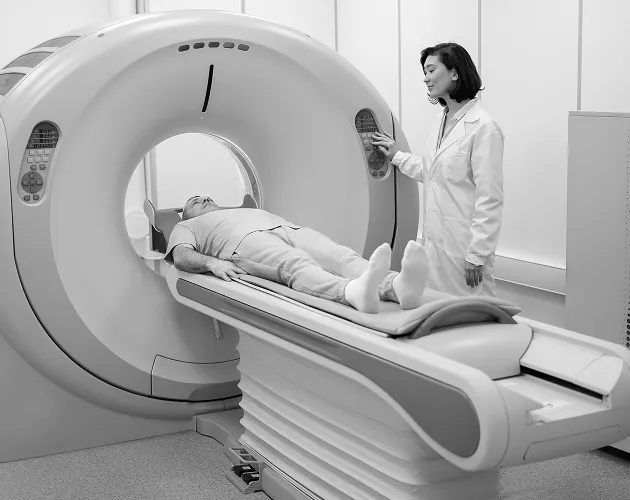
Our multidisciplinary experts map your mind-body patterns, identify root causes, and create a treatment plan that combines modern medicine, physical therapies, psychological support, and holistic care. This integrated depth is what sets us apart.
Answers That Calm the Mind
How is anxiety different from normal stress?
While stress is a natural response to life events, anxiety is persistent and often occurs without an obvious trigger. It can interfere with daily life and well-being.
What makes Buddhi Clinic’s approach to anxiety unique?
While stress is a natural response to life events, anxiety is persistent and often occurs without an obvious trigger. It can interfere with daily life and well-being.
Is anxiety treatable without medication?
While stress is a natural response to life events, anxiety is persistent and often occurs without an obvious trigger. It can interfere with daily life and well-being.
How do technologies like qEEG and rTMS help with anxiety?
While stress is a natural response to life events, anxiety is persistent and often occurs without an obvious trigger. It can interfere with daily life and well-being.
Will I be evaluated by a doctor or therapist?
While stress is a natural response to life events, anxiety is persistent and often occurs without an obvious trigger. It can interfere with daily life and well-being.
How long does it take to see improvement?
While stress is a natural response to life events, anxiety is persistent and often occurs without an obvious trigger. It can interfere with daily life and well-being.
Can anxiety return after treatment?
While stress is a natural response to life events, anxiety is persistent and often occurs without an obvious trigger. It can interfere with daily life and well-being.
Is therapy suitable for children and older adults, too?
While stress is a natural response to life events, anxiety is persistent and often occurs without an obvious trigger. It can interfere with daily life and well-being.


 Book a Consultation