 +91 95000 10065
Repetitive Transcranial Magnetic Stimulation: Regulating Brain Activity for Neurological
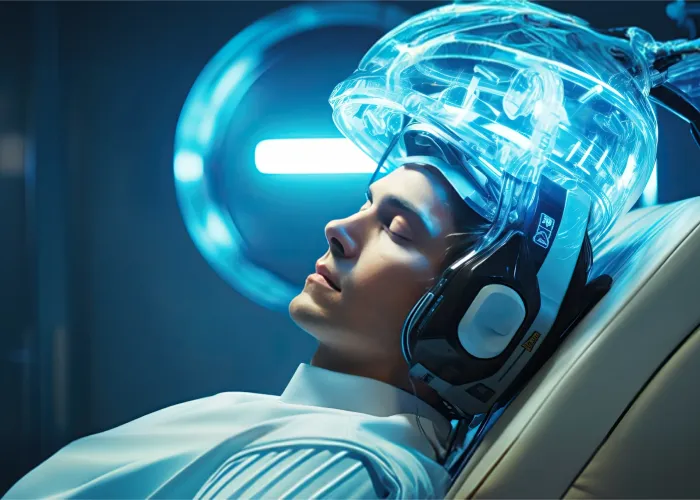
rTMS brain stimulation therapy uses targeted magnetic pulses to regulate brain activity and support recovery in neurological and mental health conditions.
Understanding Repetitive Transcranial Magnetic Stimulation
Repetitive Transcranial Magnetic Stimulation (rTMS) is an advanced, non-invasive therapy that uses magnetic pulses to stimulate specific regions of the brain. During the treatment, a specialised device delivers controlled magnetic fields through the scalp, influencing neural activity without surgery or medication. This process helps regulate brain circuits involved in mood, cognition, and neurological function. rTMS therapy is widely used in modern neuroscience to support patients experiencing depression, anxiety, neurological disorders, and other conditions where brain signalling needs modulation.
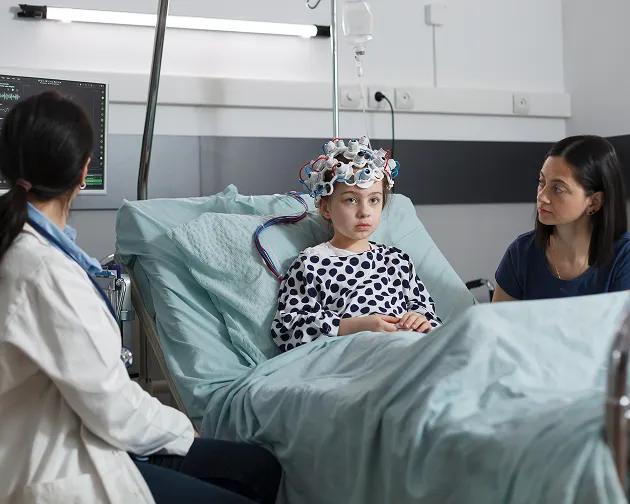
Supporting Brain Circuit Regulation and Neuroplasticity
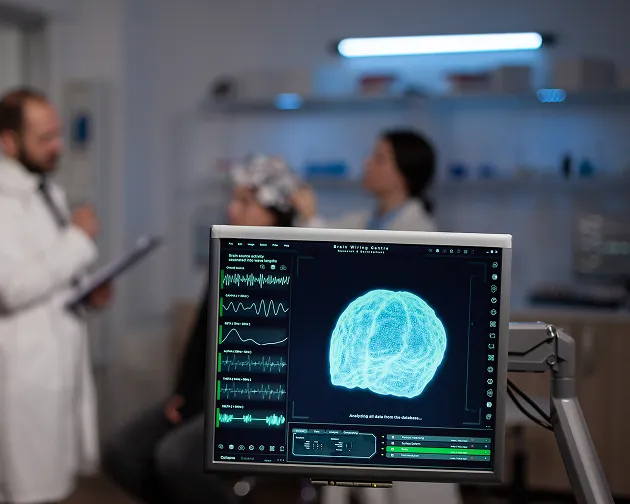
rTMS works by delivering targeted magnetic pulses to specific areas of the brain. These pulses stimulate neurons and help improve communication between brain cells, supporting healthier brain activity.
This stimulation can help regulate brain circuits involved in mood, cognition, and neurological function. rTMS therapy has been shown to support individuals experiencing conditions such as depression, anxiety, and Parkinson’s disease.
By encouraging balanced neural activity, rTMS helps restore normal brain function and supports emotional stability and neurological recovery.
Precision Brain Stimulation for Targeted Treatment
rTMS therapy in Chennai at Buddhi Clinic follows a structured clinical protocol to ensure safe and effective brain stimulation.
Mapping the Brain Before Treatment
- Clinical evaluation to determine suitability for rTMS treatment
- Identification of target brain regions for stimulation
- Explanation of the therapy process and session expectations
- Comfortable patient positioning before starting
Delivering Controlled Magnetic Pulses
- rTMS brain stimulation therapy applied using a specialised magnetic coil
- Repetitive pulses stimulate specific brain areas
- Stimulation intensity and frequency adjusted for patient needs
- Each session lasts around 20–40 minutes, depending on the treatment protocol
Monitoring Progress and Response
- Assessment of patient comfort and response after sessions
- Tracking improvements in symptoms and brain function
- Adjustment of stimulation parameters when necessary
- Continuation of therapy sessions as part of a treatment plan

Functional Benefits of rTMS
- Non-invasive brain stimulation therapy
- Helps regulate brain activity and neural circuits
- Improves mood, cognition, and neurological function
- Drug-free treatment option for certain conditions
- Minimal downtime with comfortable outpatient sessions
- Supports long-term neuroplasticity and recovery
Why Choose rTMS Over Others
Unlike medication-based treatments that affect the entire brain, rTMS treatment targets specific brain regions responsible for symptoms. This precision allows for effective neural modulation without systemic side effects. Because it directly stimulates brain circuits, it can help restore balanced activity in underactive or dysregulated areas. This makes Repetitive Transcranial Magnetic Stimulation a powerful option in modern neurological and mental health care.
Why Choose Buddhi Clinic for rTMS
Buddhi Clinic offers advanced rTMS therapy in Chennai using evidence-based protocols and specialised neurostimulation equipment. Our team combines neurological expertise, psychiatric care, and personalised treatment planning to deliver safe and effective brain stimulation therapy. Each patient undergoes a detailed assessment before treatment to ensure targeted stimulation and optimal outcomes, making Buddhi Clinic a trusted destination for Transcranial magnetic stimulation therapy.
